Indonesia · South Lombok
South Lombok Isn't One Place. Here's a Ground-Level Map of It.
This is based on time I've actually spent in each of these areas, not secondhand research. A few more areas are on my list to visit before I'd write about them the same way, this covers what I know firsthand.
South Lombok. Follow the property gurus for five minutes and you'll hear this name constantly, almost always in the same breath as Bali: infrastructure catching up fast, one of the most promising alternatives around, cheaper while it lasts. You'll have heard about Mandalika specifically, the race circuit, the roads, the airport upgrades, all being built out before construction is even fully open to the public.
Every time I hear "South Lombok" now that I actually live here, I think of one thing: it's not one place, it's a stretch of zones that need breaking down individually, because they're nowhere near the same stage. Some zones already have real infrastructure, but that mostly means they've already been bought up by big developers, the early window there has mostly closed. Some zones have almost no infrastructure yet, and that's exactly where you can watch the shift happening in real time, people who bought land years ago just to hold it (land-banking) starting to sell to developers, or starting to build themselves. Other zones are still firmly in that earlier land-banking phase, where people are buying now purely as a medium-to-long-term bet on what arrives later.
That's the comparison to Bali people actually mean, whether they say it out loud or not. Bali went through all of these stages already, most of it years ago. South Lombok is going through all of them at once, just in different zones, right now. Which zone you're actually looking at changes the entire case for investing there, and most of what gets written about "South Lombok" doesn't tell you which zone it's even talking about.
So this is a working page, not a one-time post. I'm breaking South Lombok down zone by zone, area by area, based on time I've actually spent in each one, and I'll keep adding to it and correcting it as I get to the areas I haven't fully covered yet.
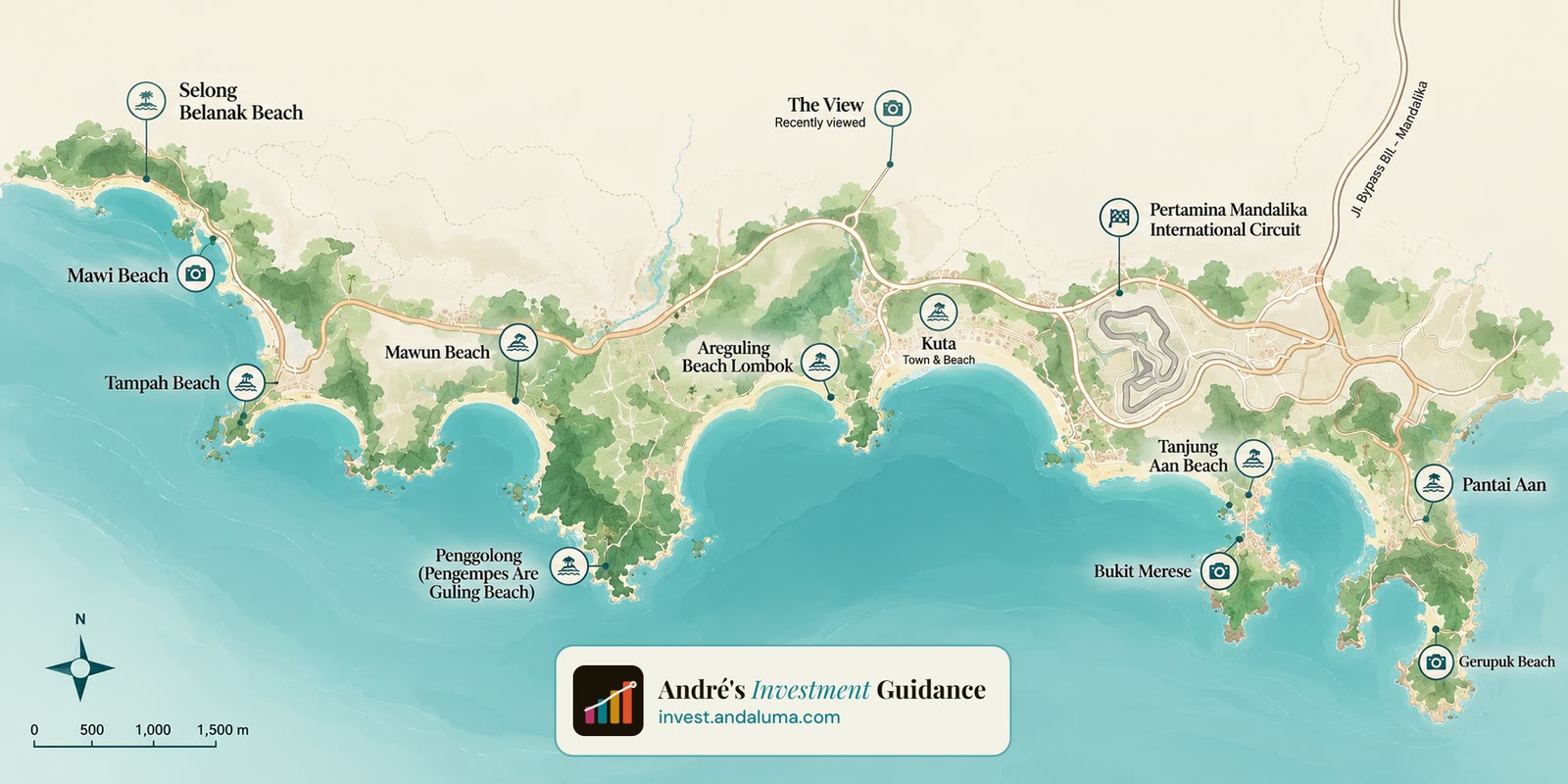
Why South Lombok specifically, and what "the Mandalika master plan" actually covers
Quick bit of context first, I get asked this constantly. Lombok isn't one investment story. The north and west, Senggigi, the Gilis, that's older, more established, a completely different crowd. South Lombok is the part the Indonesian government actually decided to grow. Not a vibe, not a marketing line, an actual designated zone.
Mandalika is a Special Economic Zone, KEK Mandalika if you want the official term, roughly 1,035 hectares of the south coast set aside and managed by a state company (ITDC), with real government money behind it. Not just a nice logo. Inside the zone: the Mandalika street circuit, a 4.3-kilometre, 17-turn track that has hosted World Superbike since 2021 and MotoGP since 2022, plus a stretch of 5-star hotels, a golf course, a water park, and a new port and marina meant to connect straight to Bali by fast boat. The zone itself runs through Kuta and Tanjung Aan, that's the actual formal boundary, not a loose guess. But here's the part people miss: the roads, the airport upgrades (Lombok International is only about 17 km up the road), the whole "this coast is finally getting attention" energy, that spills way past the line on the map. That's exactly why Selong Belanak and even Mawi, both technically outside the zone, are already feeling development pressure.
So when someone says "the master plan" to you, this is what they mean. Government money and attention anchored around Kuta and Mandalika, and everything nearby getting pulled along with it whether it's officially part of the plan or not.
Kuta
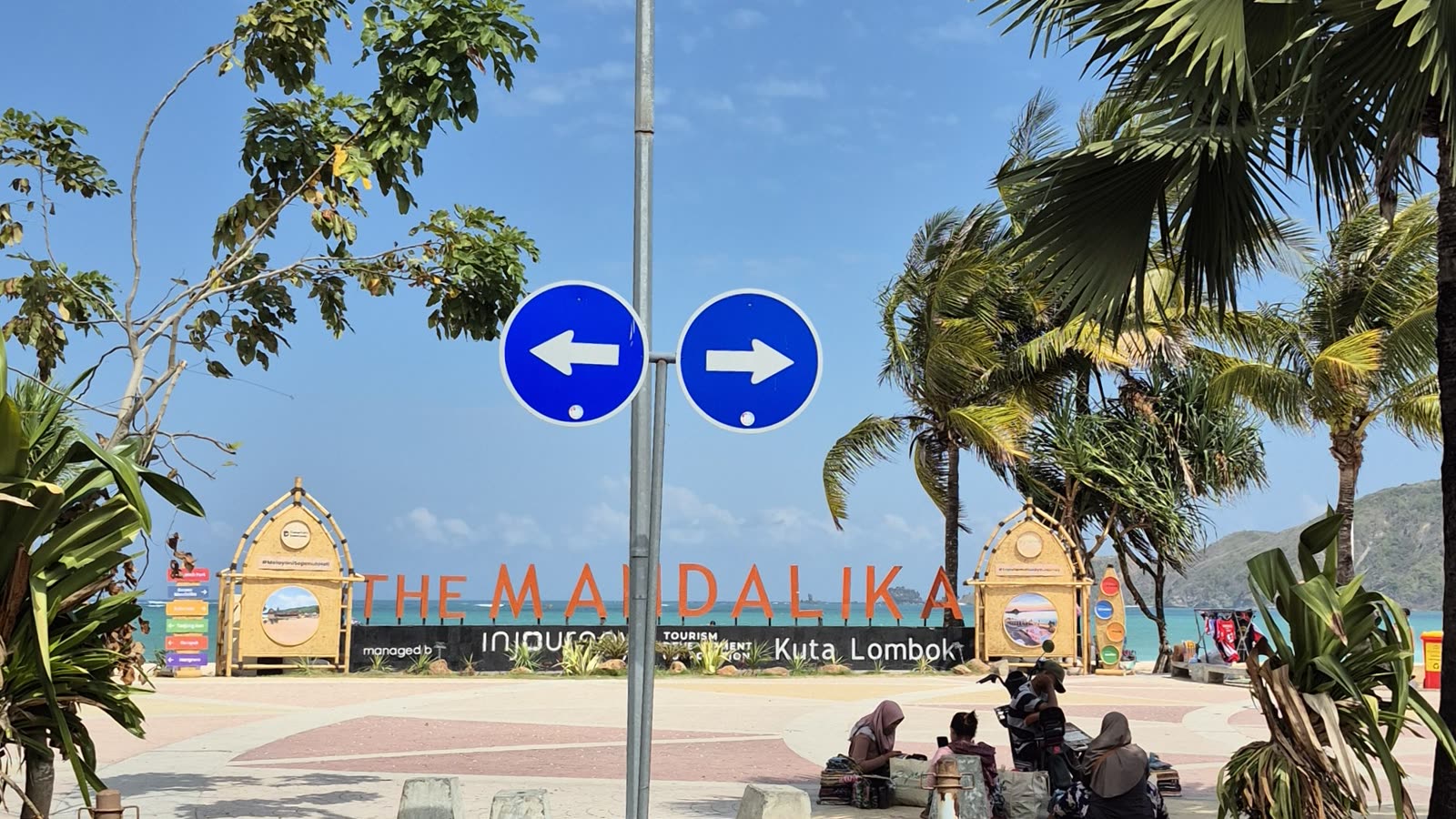
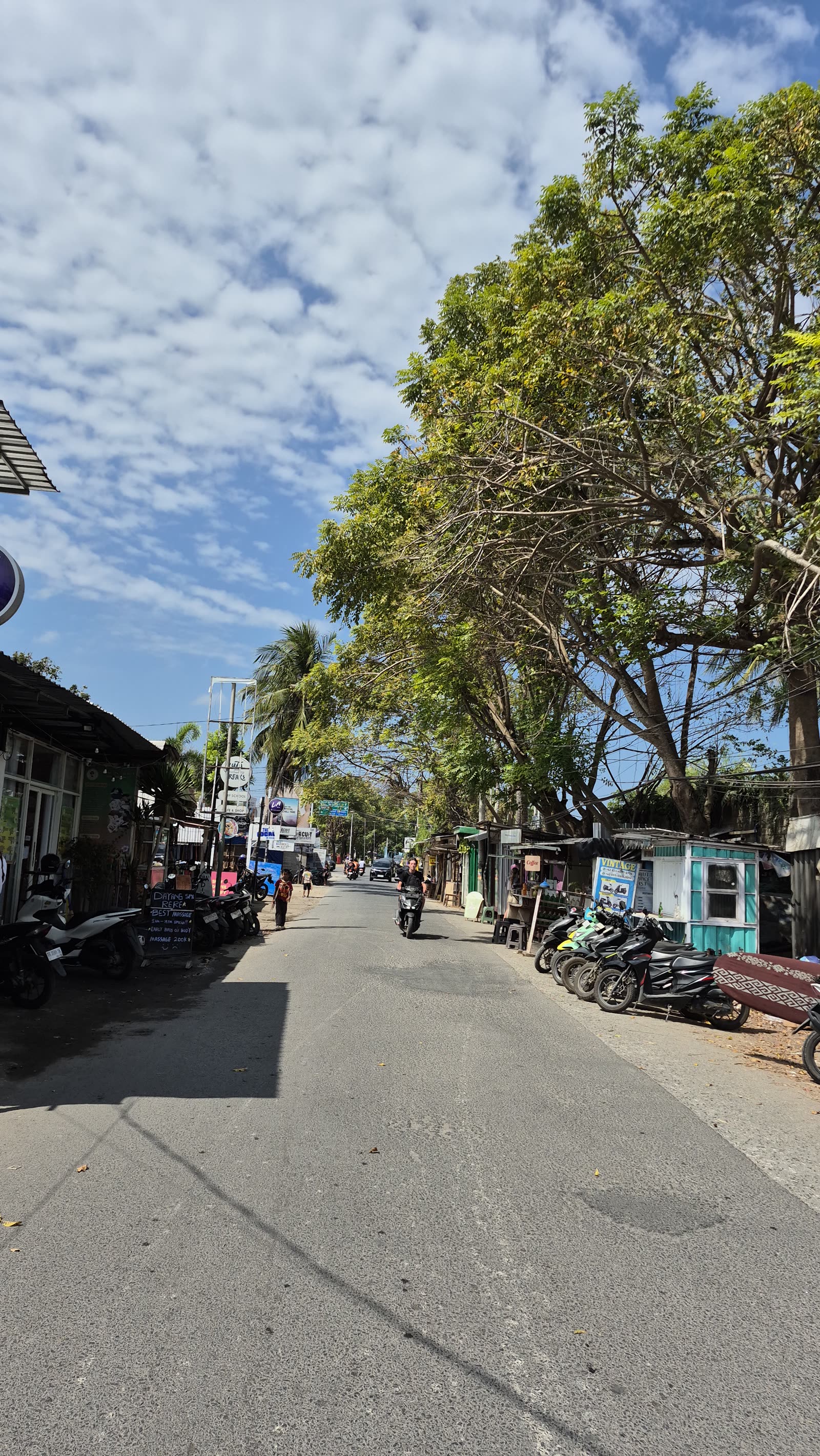
Kuta's streets filling in — cafés, scooters, new build going up block by block.
The hub. Most developed of the areas here, an easy 30 minutes from the airport, a real café and coworking scene going, the place most people land first and just end up staying. Good waves close by, social, digital-nomad energy, the kind of place where you bump into the same three people at three different cafés in one day.
Here's what it actually feels like right now, on the ground, not from a brochure. Kuta is squarely in the middle of getting built. It was busier every time I went back, more scooters, another café that wasn't there last time. But, and this is the part I actually find encouraging, the infrastructure is keeping pace. New roads, better traffic flow, the stuff that usually only gets built after a place is already a mess. Here it's going in while things are still manageable. Everything you'd want is close by, but it's slowly filling up, no question. If you're chasing that "found it before anyone else" feeling, that ship's sailed. If you want somewhere that already works while it's still figuring itself out, this is exactly that.
Practically, it's about 25 minutes from Lombok International Airport, and life clusters around one busy crossroads lined with cafés, surf shops, bars and warungs. The stuff a remote worker or a longer-stay family actually needs is genuinely here now, not "coming soon": real coworking spaces on Starlink, gyms, gluten-free brunch places, scooter and board rental, clinics. The beach itself works for beginners on the softer days, and you're a short ride from the more serious reef breaks. For most people weighing South Lombok, Kuta is the natural base you branch out from, even if you end up buying somewhere quieter.
Selong Belanak
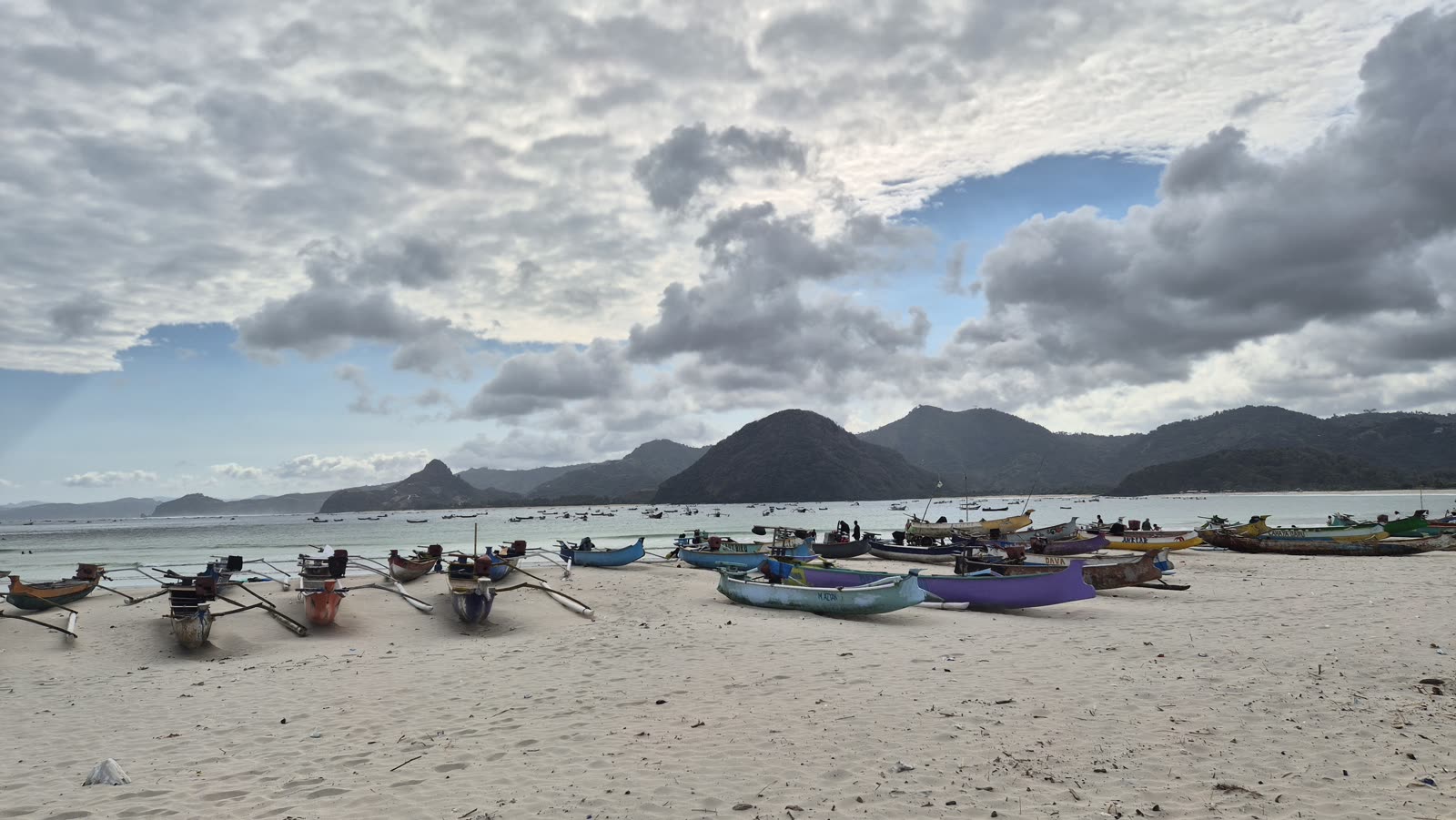
Quieter. More family, more beginner surfer, genuinely more hammock than hustle. A handful of small hotels, some villas, a few cafés actually worth stopping at, but nowhere near Kuta's density. Honestly, this is the one that still feels like a choice you're making, not something everyone's already piled onto. Worth watching closely, it's growing, but it hasn't tipped over yet.
If you've read anything about learning to surf in Lombok, you've read about this bay whether the article named it or not. It's a wide, crescent-shaped beach with a soft sand bottom, no coral underfoot, and long mellow waves that crumble slowly and give you time to actually stand up. That's why it's become the island's default beginner spot, and why it draws families: the water's shallow and calm enough that small kids can play at the edge while someone takes a lesson twenty metres out. On the sand you'll find warungs, sun loungers and bean bags, and board and lesson rental, without any of it feeling like a resort strip yet.
It's roughly a 30-to-40-minute drive from Kuta, over a genuinely pretty hill road, and that little bit of distance is part of why it's stayed calmer. For an investor that's the whole point of Selong Belanak, real, growing tourist demand that's already proven, on a stretch that still hasn't been fully built up. It's further along than Mawi or Are Guling, but nowhere near Kuta's saturation.
Mawi
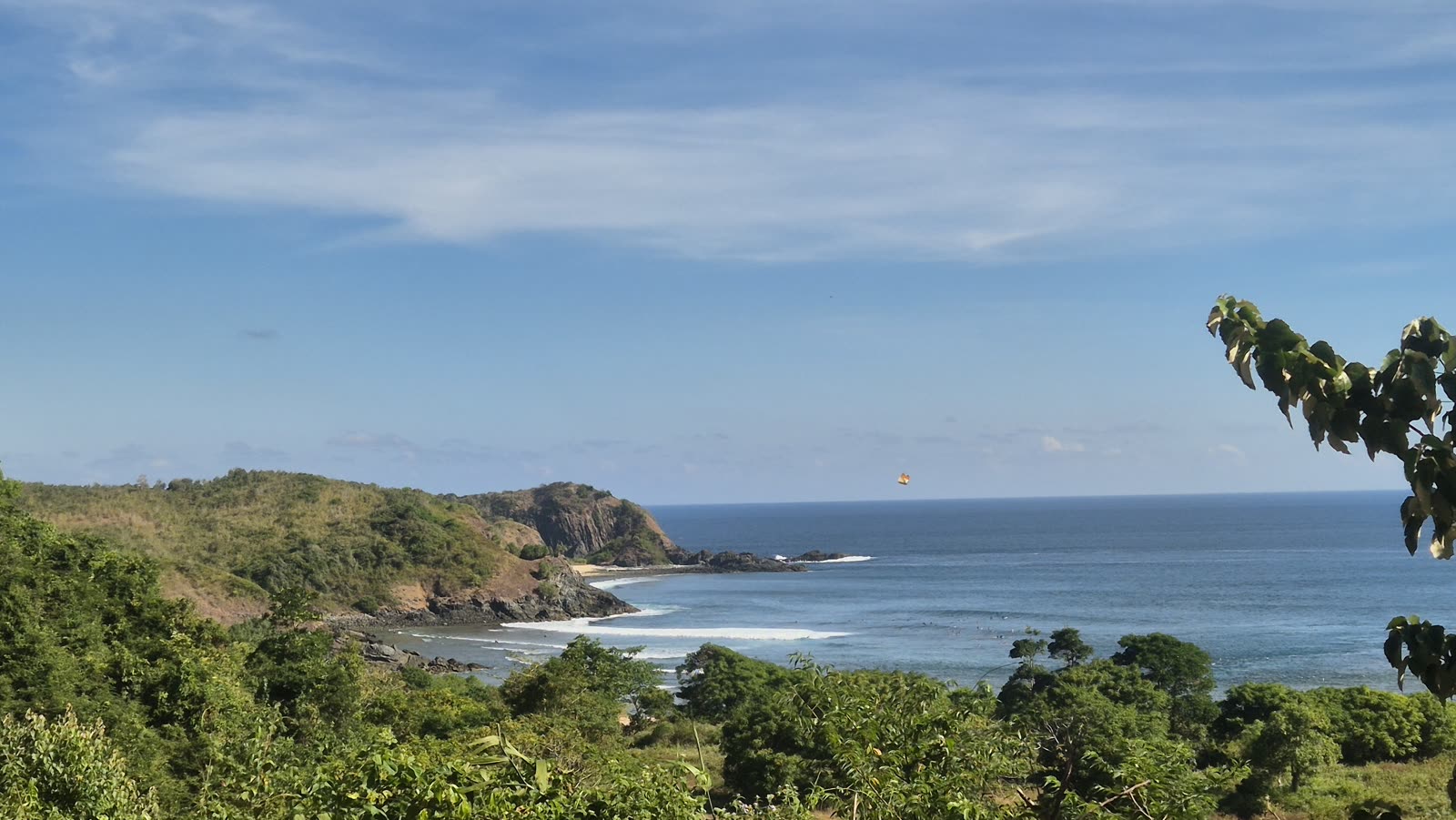
The rawest one on this list, by a good margin. Experienced surfers only, the road in is genuinely rough, still properly quiet. A friend of mine is building a resort here, which is part of why I kept ending up on this stretch, and it's the clearest example I've got of land that hasn't caught up to its own potential yet. Not for someone who wants a café nearby. Very much for someone who's comfortable being early.
The reason surfers know the name is the wave: Mawi is a powerful reef break, a hollow left with a shorter right that peaks up into an A-frame, and it's a known swell magnet, small and fun on the calm days, a heavy barrelling machine when a real swell lands. It breaks over sharp, shallow coral, so it genuinely rewards experience and punishes the opposite. That combination, a serious wave plus a rough track in, is exactly what's kept the crowds and the cafés out this long, even as the surf reputation quietly grows.
For an investor that's the tension in one spot: the pull is real and specific, but the amenities aren't here and won't be for a while. This is early land, priced and paced like early land. Get it right and you're ahead of the curve; get the timing or the plot wrong and you're holding something with no exit for years.
Tanjung Aan
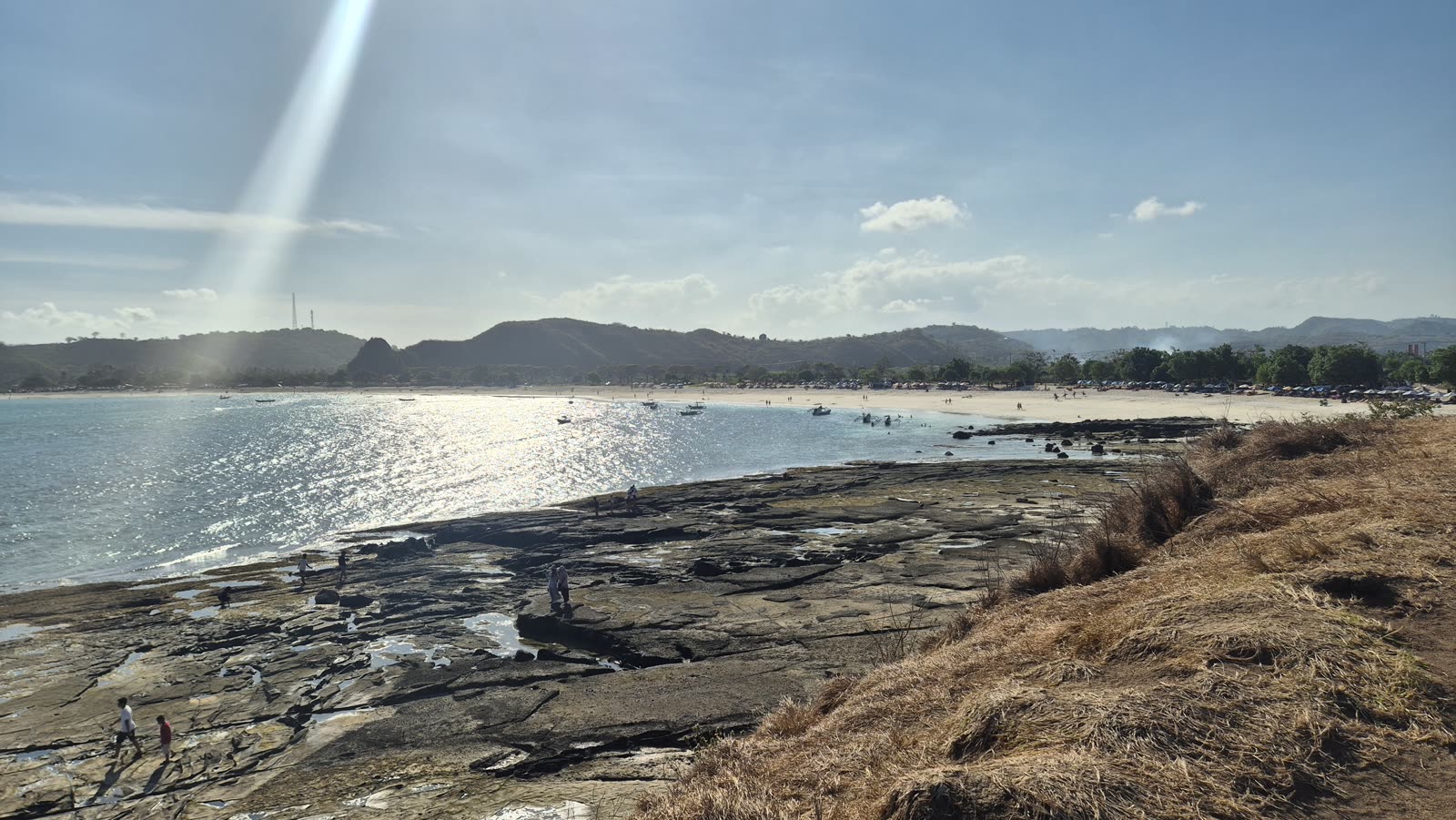
This one's a bit of a hybrid. Sits right at the edge of the formal Mandalika zone, so it's still a stunning, mostly undeveloped stretch of beach, but close enough to that government-backed hotel corridor that the infrastructure and attention are coming its way regardless of what happens on the beach itself. I'd watch this one for what gets built around it, not necessarily on it.
As a beach it's genuinely special: about two kilometres of pale sand with an unusual coarse, round grain, people call it the "pepper" or "peppercorn" sand, and turquoise water shallow enough to wade out a long way. At the eastern end there's a hill, Bukit Merese, a ten-minute walk up for a panorama over both bays that's become the sunset spot for the whole area. If you only see one beach down here as a visitor, most people would point you here.
The investor angle is the part that's moving fastest. Because it actually sits inside the state-run zone, this beach is on the master plan, not just near it, and that's already visible on the ground: the long-standing warungs and vendors were cleared off the eastern sand to make room for planned resort development. That's the whole reason I'd frame Tanjung Aan as a bet on what gets built around it. The upside is real and institutionally backed; the flip side is you're a spectator to a state process, not the one steering it.
Torok (Pantai Torok)
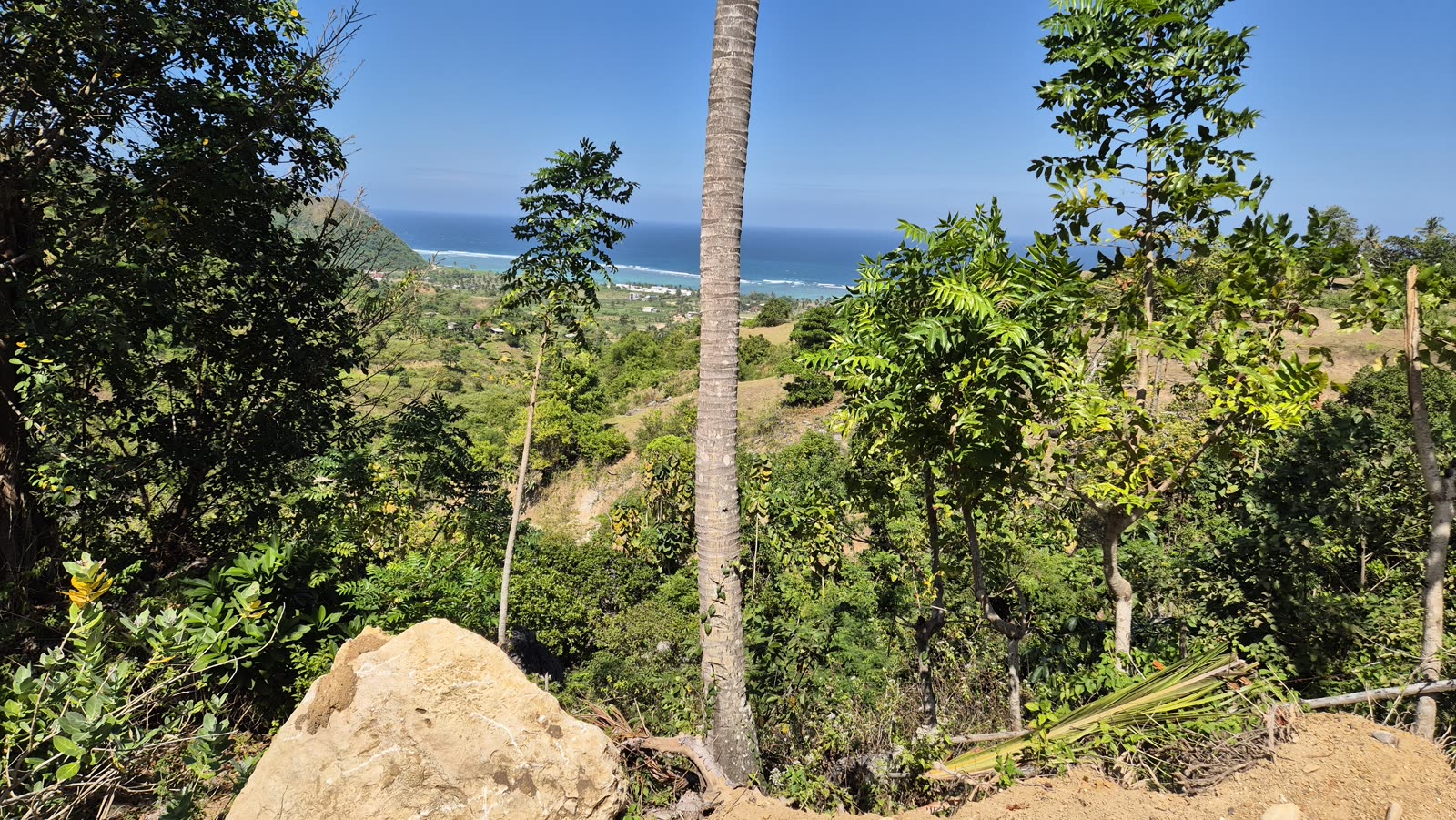
Same general belt as Selong Belanak and Tampah, but a step behind Tampah specifically. Still feels more like land waiting for a plan than a place with real momentum. Quiet, undeveloped, worth keeping an eye on as the stretch next to it catches up.
What makes Torok its own thing is the water. It's a reef-protected bay, calm and lagoon-like rather than a surf beach, so it's one of the few spots down here that's genuinely easy for swimming and for kids, a real point of difference on a coast that's mostly about waves. A small boutique beach resort already anchors one end of the bay, and there's ocean-view hillside land being marketed around it, but step back from those and the wider stretch is still open and quiet.
It's roughly 35-to-45 minutes from the airport. As an investment read, Torok has a toehold rather than momentum: enough there to prove the appeal, not enough yet to call it "arrived." I'd treat it as one to watch as Tampah and Selong Belanak, its more active neighbours, pull the whole belt along.
Tampah
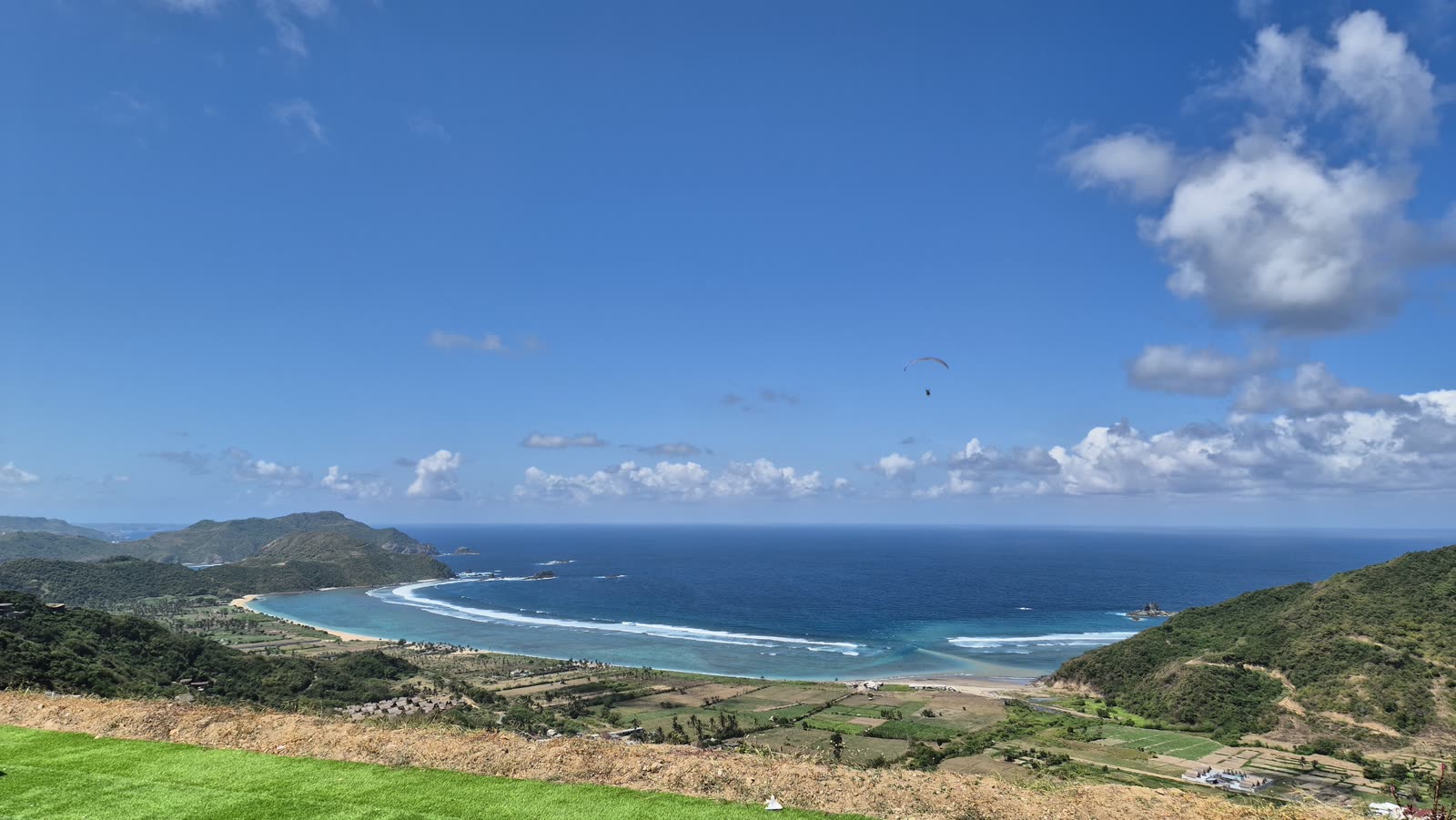
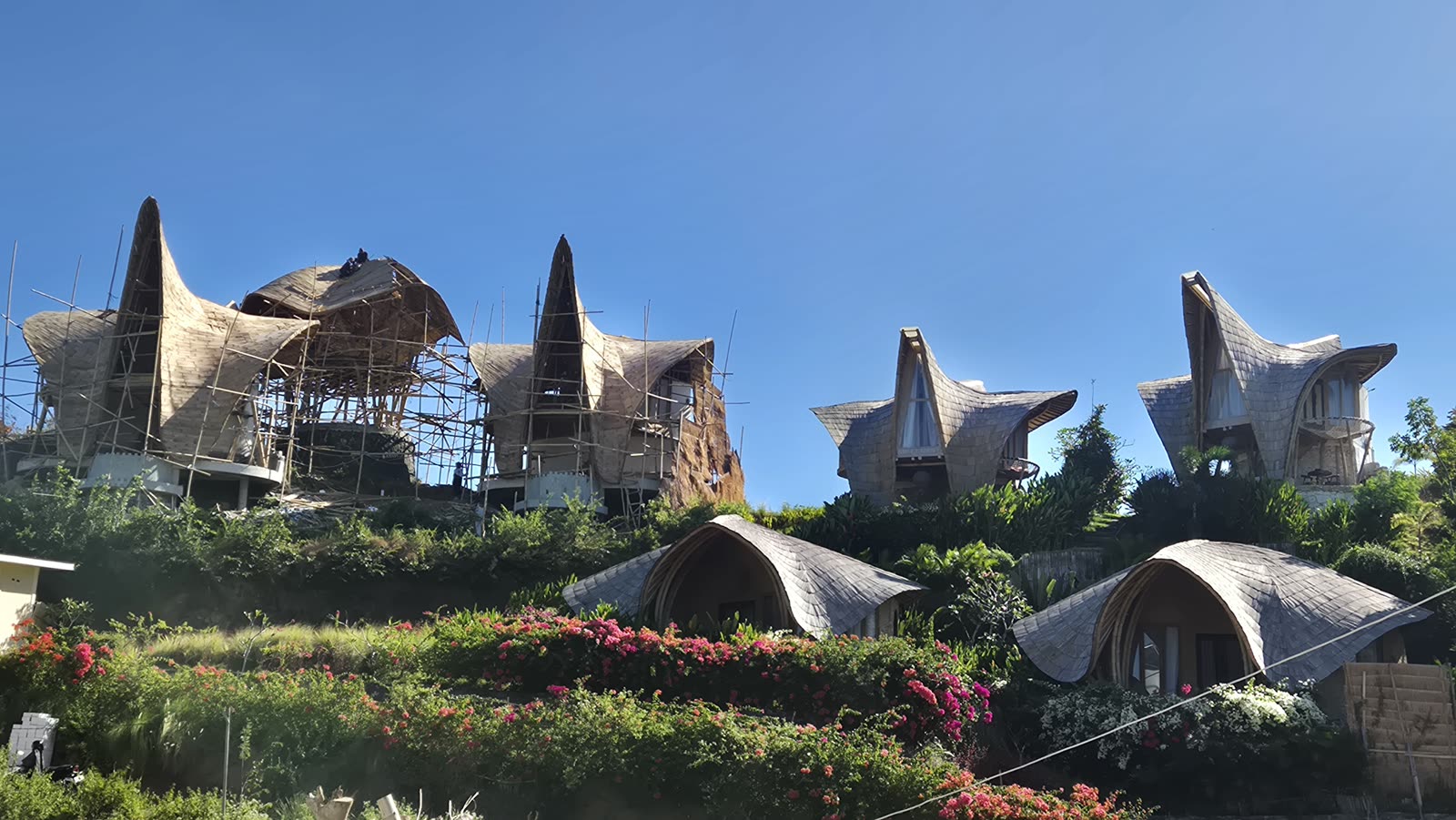
Not a "someday" area — real building is already going up on the ground here.
This one surprised me a bit, actually further along than it looks from the road. Several projects are under active construction here right now, this isn't a "someday" area, there's real building happening on the ground already, even though the wider area hasn't caught up in feel or infrastructure yet. If you're thinking about timing, getting in before a place fully arrives, this is worth a proper look.
A lot of that momentum is anchored by one large project on the hills above the bay, Tampah Hills, a roughly 120-hectare masterplan of villa plots with shared amenities planned around them, coworking, sports, pools and the rest. Whatever you make of any single development, a scheme that size acts like a magnet: it pulls in roads, workers, services and other builders, which is a big part of why Tampah feels more "under way" than its quiet neighbours. It sits about 30 minutes from the airport and 15 from Kuta, close enough to lean on Kuta's amenities while it grows its own.
For an investor the read is timing. Tampah isn't the untouched, rock-bottom entry that Mawi or Are Guling are, the ground has already started moving here, but it's also clearly ahead of the reputation the name still carries. That gap, real construction under a still-sleepy image, is usually where the more interesting entry points sit.
Are Guling
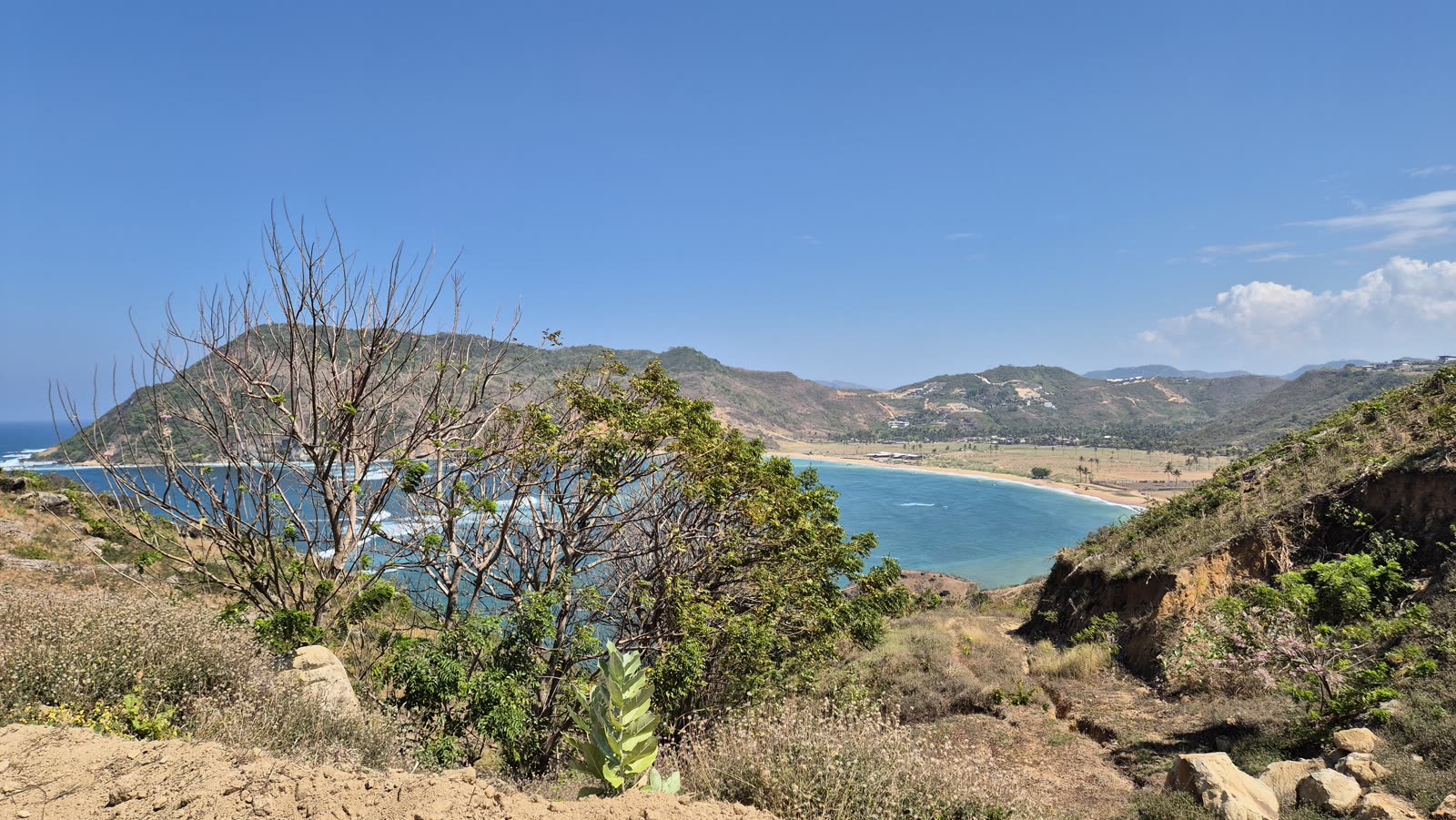
Are Guling surprised me. Still deeply agricultural, a genuinely small town, and yet a lot of that land is already bought up by developers, you just can't see it, because almost nothing has actually been built. Driving through, what got me wasn't a construction site or a sales office, it was the openness, a stunning stretch of beach, and literal herds of buffalo wandering the road, the closest thing the town has to traffic.
This is the land-banking phase I talked about up top, made visible. The interesting signal here isn't a crane or a showroom, it's that the ownership has quietly changed hands while the surface still looks like farmland, buffalo and empty beach. That's the classic pattern right before a stretch turns: the deals happen years before the buildings do. For a visitor today it reads as beautifully, almost surprisingly empty. For an investor it means you'd be buying into a bet on timing you can't rush, and next to plenty of land that's already spoken for.
So the honest read: this is about as early-stage as South Lombok gets, the land deals are already happening, the ground itself hasn't caught up yet. One drive through isn't the same as knowing a place properly, so treat this as a first look. I'll go back, spend real time here, and update this section once I have.
Why this matters if you're actually deciding where to put money
"South Lombok" isn't one investment thesis, and I really wish more people would just say that out loud. Kuta and Mawi are barely the same conversation, one's an established, walkable hub, the other is raw land a friend of mine is betting a resort on before the road's even properly paved. Selong Belanak sits somewhere in the middle, growing, not crowded. Tanjung Aan is really a bet on what Mandalika brings to its doorstep more than on the beach itself. Tampah already has real construction happening, ahead of what its reputation suggests. Torok's a step behind that.
None of this tells you which one is "best." Honestly, I don't think that's even the right question. The right question is which of these actually matches what you want, quick amenities and a ready-made community, or raw early land, or something in between. Different answers for different people, and that's fine.
Get the next piece like this one
One email when a new area breakdown or country guide goes up: what's actually there, what it's like on the ground, where people get stuck. No sales talk, unsubscribe any time.
By subscribing you agree to receive the newsletter and to our Privacy Policy. We'll email a confirmation link to complete signup (double opt-in); unsubscribe anytime.
Or follow along on Instagram → @an.da.lu.maQuestions people actually ask
Is South Lombok really one investment area, or does it depend on where exactly?
It depends entirely on where. Kuta, Selong Belanak, Mawi, Tanjung Aan, Torok and Tampah are different in crowd, pace and stage of development. Treating them as interchangeable, which most pitches do, misses what actually matters for a decision.
What is the Mandalika Special Economic Zone (KEK Mandalika)?
A formally designated government economic zone of roughly 1,035 hectares running through Kuta and Tanjung Aan, managed by the state company ITDC. Inside it: the 4.3 km, 17-turn Mandalika street circuit (host to World Superbike since 2021 and MotoGP since 2022), a 5-star hotel corridor, a golf course, a water park, and a new port and marina meant to connect to Bali by fast boat. It's backed by real government investment, not just a marketing label.
Which areas are actually inside the Mandalika zone?
Only Kuta and Tanjung Aan sit within the formal zone boundary. Areas like Selong Belanak and Mawi are outside it, but they're still feeling development pressure from the roads, airport upgrades and attention the zone has brought to the wider coast.
Is Kuta too developed to still be worth a look?
Depends what you're after. It's busier every year, but the infrastructure is keeping pace with the growth rather than lagging behind it. If you want an established, working hub rather than the earliest possible entry point, Kuta still fits.
Which area is the most raw or early-stage right now?
Mawi, by a clear margin. The road in is genuinely rough and it's still properly quiet, best suited to someone comfortable being early rather than someone who wants a café nearby.
Which area already has visible construction happening?
Tampah. Several projects are under active construction there right now, even though the wider area hasn't caught up to that in feel or infrastructure yet.
Is Tanjung Aan inside the Mandalika zone or not?
It sits right at the edge of the formal boundary, but the beach itself remains largely undeveloped. It's best understood as a bet on what gets built around it, thanks to the zone's pull, rather than on the beach itself.
Does this page tell me which area is the best investment?
No, and that's intentional. Which area fits depends on what you actually want: quick amenities and a ready-made community, or raw early land, or something in between. The right question is fit, not "best."
Want a second opinion on which of these areas actually fits what you're after? Book a call.
What's actually stopping most people from telling these apart? My honest guess: most of what gets written about this coast is written by someone selling one specific plot, not someone who's actually walked all of them.